Why the Laugh Starts Before the Punchline
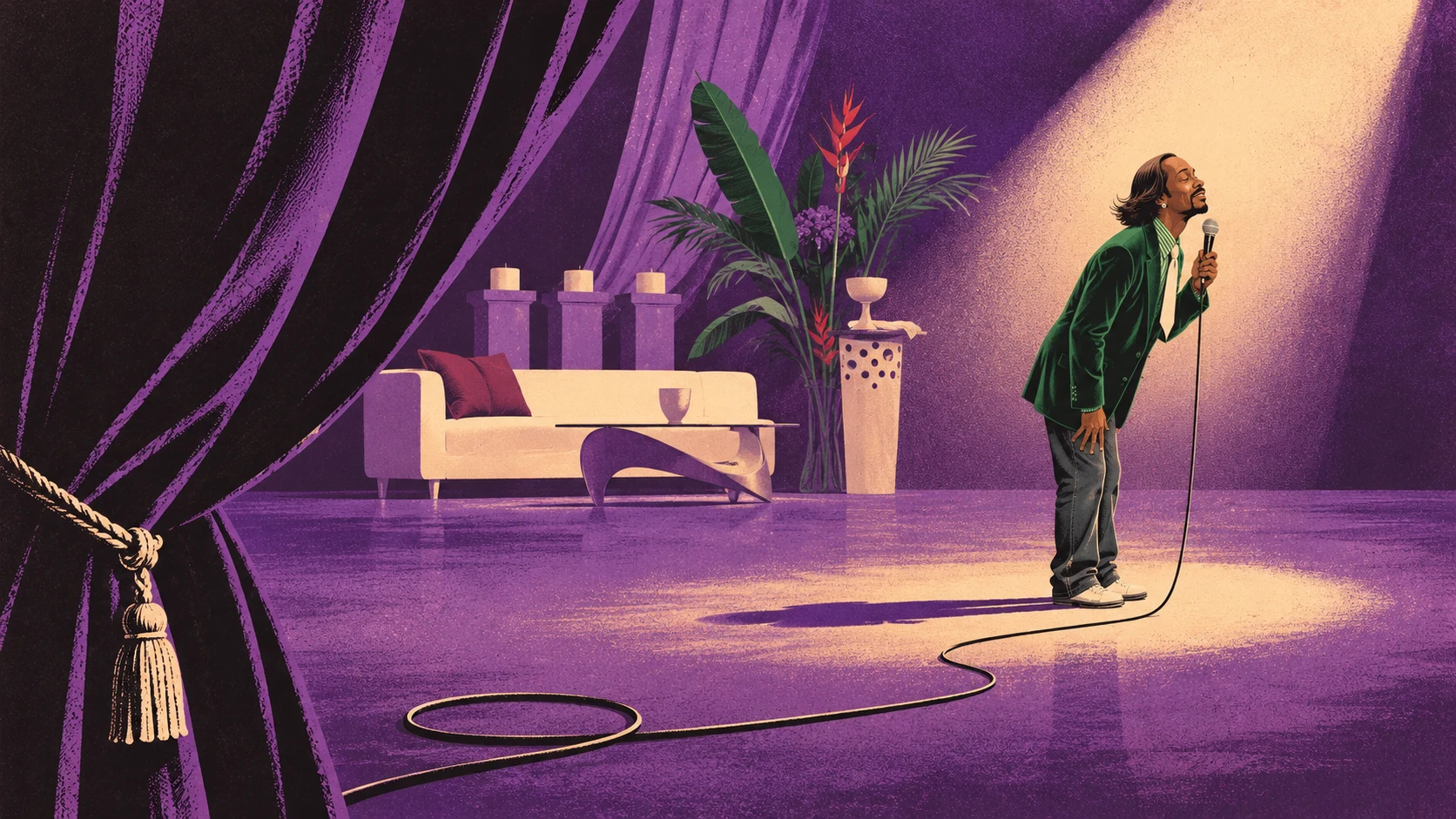
The comedian stops speaking and looks toward the audience. The first laugh comes while he’s still looking. If you came over from Facebook trying to remember the line that got the laugh, that order of events poses a lovely little problem. How do you quote the funny part when nobody was talking?
It’s worth going back for that moment. A pause before a punchline gives you time to form an opinion about what’s coming. A look toward the audience gives you someone to share that opinion with. By the time the comedian speaks again, you’ve had a small adventure of your own. Maybe you’ve guessed where he’s going. Maybe you’re laughing at the very idea that he might say it out loud. Rewatch the Facebook Reel.
What happens while the story is on hold?
Think about the difference between somebody stopping in the middle of a story to remember a name and somebody stopping at exactly the point where you’d like to know what happened next. In the first case, you might help out by supplying the name. In the second, you’d probably resent the person beside you for supplying the ending. The pleasure is in having a moment to wonder.
That’s what a setup buys a storyteller. Enough has happened for the listener to have a stake in the next sentence. Even a vague expectation will do. You might have no idea what words are coming and still have a strong feeling that somebody in this story is about to embarrass himself. The pause gives that feeling time to become funny in its own right.
A look gives the pause an address
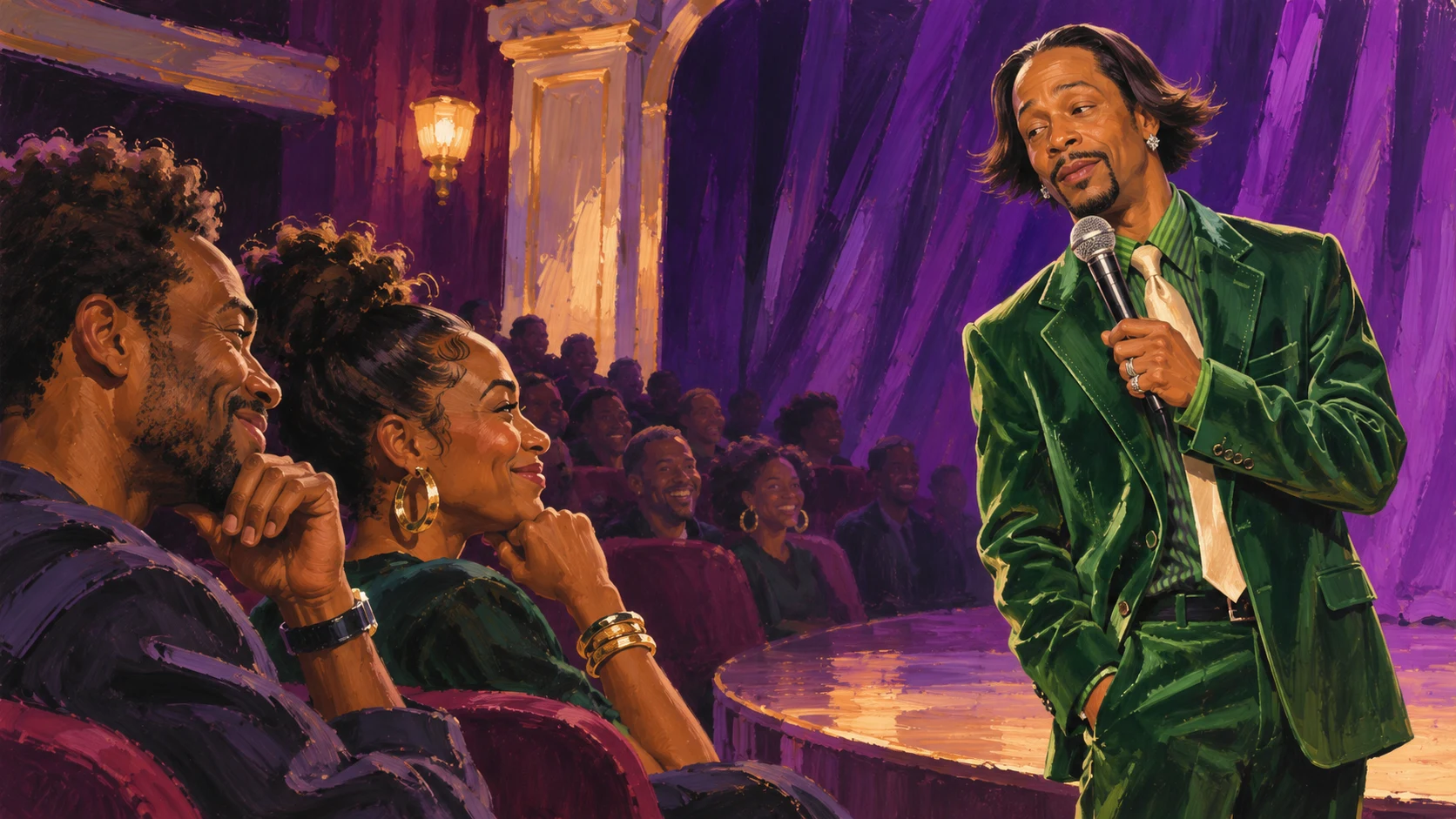
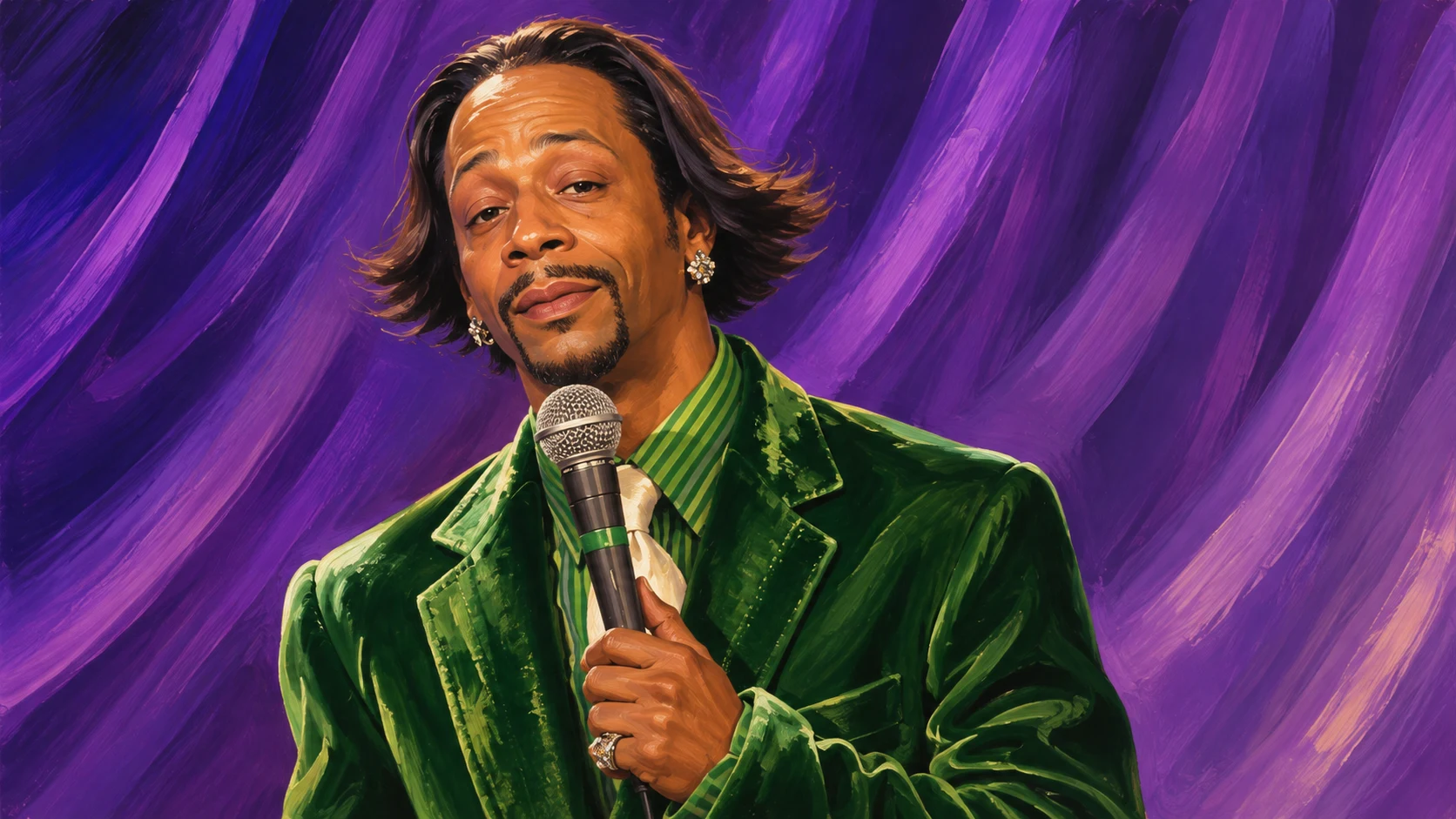
Here’s the detail I’d keep if this clip had to be described over the phone. During the break, the comedian looks toward the people listening to him. Leave that out and “he stops talking” could describe a man who needs a sip of water. Include it and you can picture an exchange.
You’ve probably been on the receiving end of something similar across a dinner table. Someone telling a story gets to a questionable decision, then looks up at you. For an instant you get to be the person whose judgment matters. You might start smiling because you know this friend well enough to dread the next sentence. Someone at the other end of the table might smile just from watching the two of you.
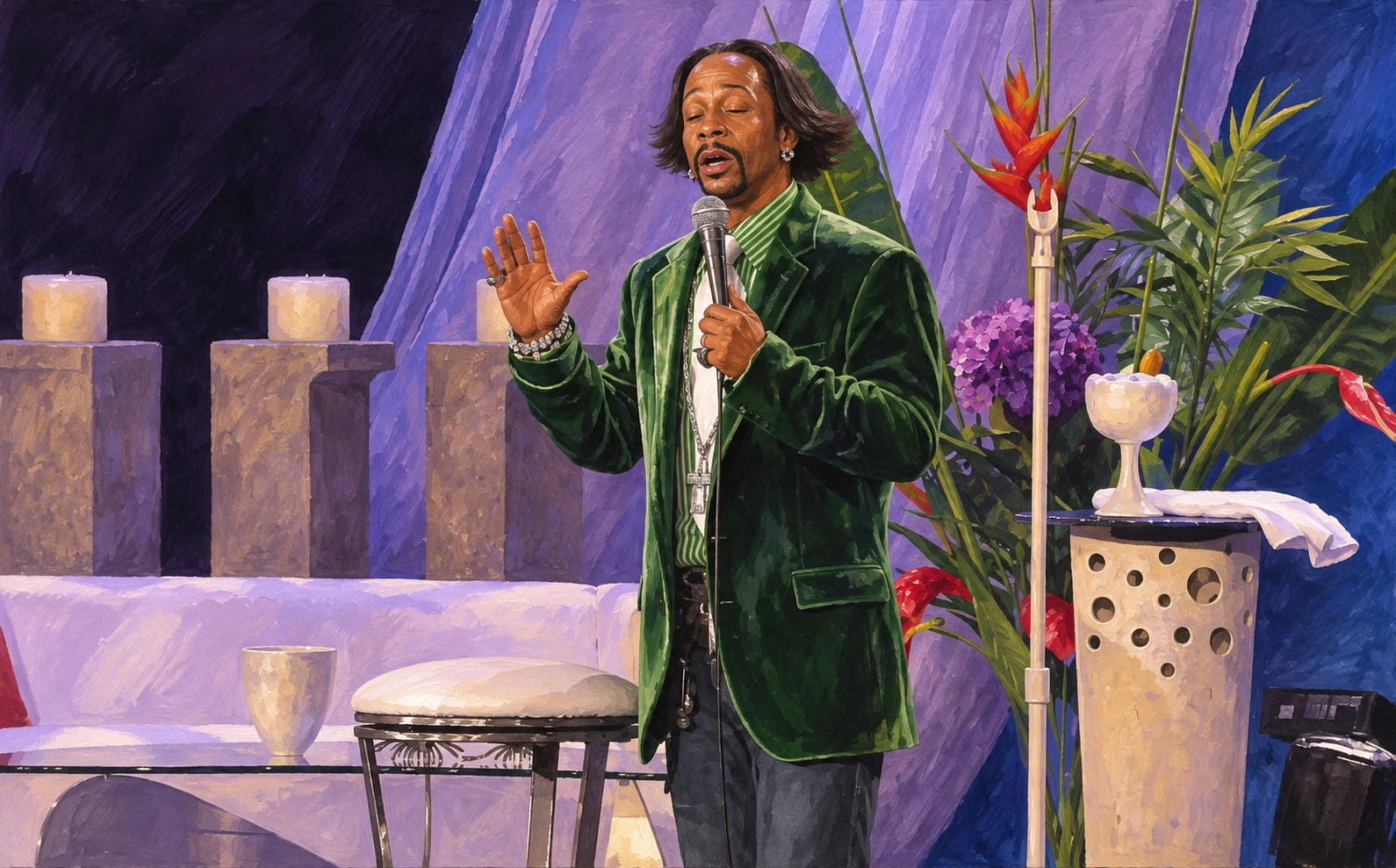
That’s how I read the look in the Reel. It leaves room for the audience to answer in the one way that won’t require anybody to take the microphone. You can hear that answer begin before the comedian says another word. Which thought made any particular person laugh is theirs to know.
Try the same words at two speeds
Here’s an original example from The Comedy Edit. Say these lines aloud as if you were telling a friend about your weekend.
My brother said he could assemble the bookcase without the instructions.
We use it as a shoe rack.
Read straight through and the second sentence delivers the news. Now try it again. After “instructions,” glance at the person you’re telling and give them a moment. Those instructions are suddenly much more interesting. Your listener might already be picturing a shelf at a worrying angle. When the shoe rack arrives, they get to compare the disaster they imagined with the oddly practical outcome you’ve handed them.
Try moving the pause to just before “instructions.” For my money, that’s the weaker version. I’m waiting for the missing word so I can understand the sentence at all. A few words later, I have everything I need to start making trouble for that bookcase myself. The placement matters more than how many seconds you count.
On the replay, listen for the first laugh
Play the Reel once with your eyes off the screen. Listen for two sounds in order: the start of laughter and the return of the comedian’s voice. Then watch again with the picture on. Does seeing where he looks change what the wait feels like? You can do both passes in less time than it takes to explain a joke to somebody who missed it.
One last thing to notice is your own reaction. The room may get there ahead of you. You may hold out for the line. Either way, you’ve found something that a transcript would have trouble preserving. Ask two people to quote the joke and they might give you the same words. Ask them when it got funny, and you might get two different answers.
Watch the source
Video belongs to its uploader. Availability and access requirements may change.
YOUR TAKE
When did the moment first get funny for you?
Pick the answer closest to your point of view.
Thanks for sharing your take. There is more than one way to enjoy a good story.
Your choice stays on this browser. No public vote count is collected.